Privacy-First Marketing: Measure Everything Without Tracking People
Privacy-first marketing means measuring traffic, funnels, and behavior patterns without ever building a personal profile of your visitors.
Analytics tips, product updates, privacy guides, and founder stories.
Privacy-first marketing means measuring traffic, funnels, and behavior patterns without ever building a personal profile of your visitors.
Most abandoned forms lose people at one specific field. Here is how to find it using field-level tracking, session replay, and a simple audit you can run this week.
Webflow sites are fast and polished by default, but native analytics stops at pageviews. Here is how to add real-time analytics, heatmaps, and session replay without slowing the site down.
A lightweight WordPress analytics setup means one fast script, fewer plugins, and metrics that actually drive decisions. Here's how to build it.
GA4 buries the questions you actually care about behind exploration reports and sampled data. Here is a simpler way to see who is on your site, where they click, and why they leave.
Nearly seven in ten checkouts are abandoned before payment. Here is how funnels, session replay and heatmaps show you exactly where and why, so you can fix it with evidence instead of guesswork.
What GDPR actually requires from your analytics, why cookies (not analytics itself) trigger consent, and a practical checklist small businesses can follow today.
You can run full analytics, including session replay, without a cookie consent banner. Here is what actually triggers consent, and what does not.
GA4 is powerful but hard to use. Here are the best privacy-first alternatives in 2026, from simple cookieless tools to full session replay and heatmaps.
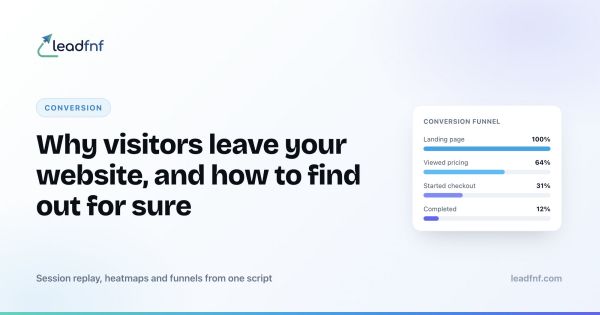
Your analytics shows that people leave but never why. Here is how session replay, heatmaps and funnels reveal the real reasons visitors abandon your site, and how to fix them.
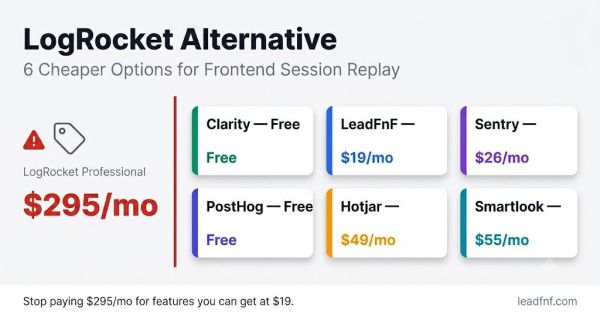
LogRocket's Team plan starts at $69/month for 10K sessions — but heatmaps, funnels, product analytics, and AI are all locked behind the Professional plan at $295/month on an annual commitment. Most small teams don't need the debugging depth. They just need session recordings and heatmaps. Here are 6 cheaper alternatives that cover the same ground, from completely free to $55/month.
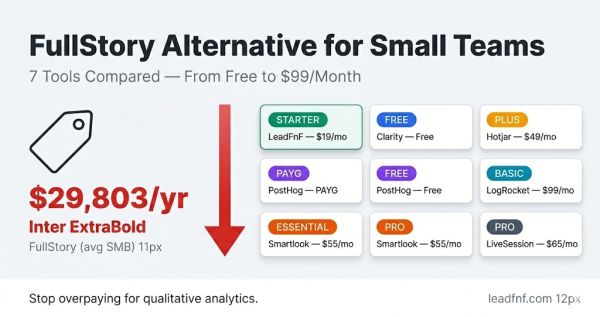
FullStory SMB plans average $29,803/year. For a small SaaS team trying to understand why users aren't converting, that's an enormous price to pay for qualitative analytics. Here are 7 FullStory alternatives that deliver session recordings, heatmaps, and product analytics at a fraction of the cost — from completely free to $99/month — with an honest breakdown of what each one does well and where it falls short.
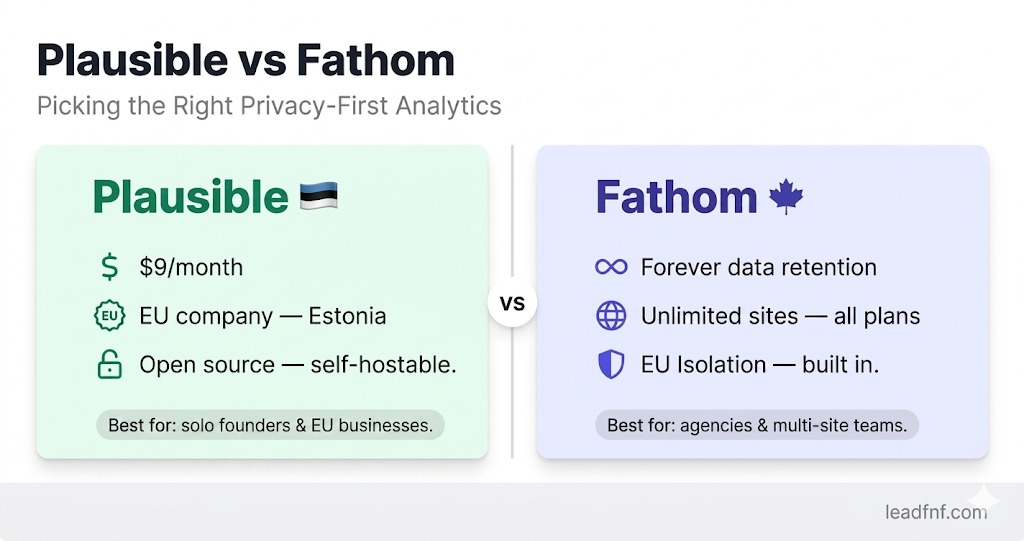
Plausible and Fathom are more similar than different — both cookieless, both GDPR-compliant, both fit on one screen. But Plausible is $9/month and Estonian (genuinely EU-based). Fathom is $15/month, Canadian, keeps your data forever, and gives you unlimited sites on every plan. The EU Picks team paid for both for six months, concluded Plausible wins for 9 out of 10 people, then switched their own site to Fathom. Here's why — and how to decide which one is right for you.
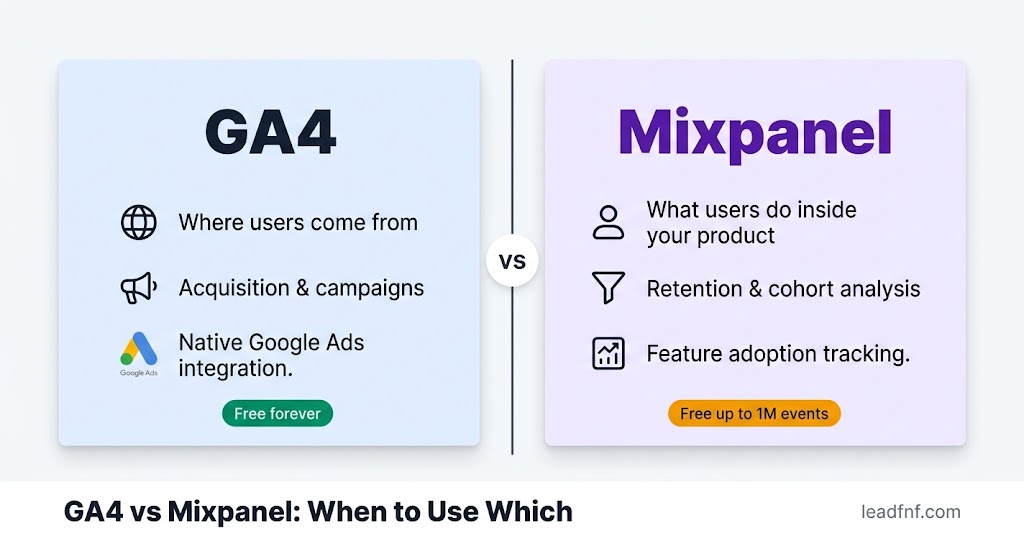
GA4 tells you where your users come from. Mixpanel tells you what they do after they arrive. For small SaaS, the right choice depends on one question: what problem are you actually trying to solve right now? This guide breaks down the core difference between the two tools, when each one is the right choice, what Mixpanel actually costs as you scale, and what both tools are completely blind to.
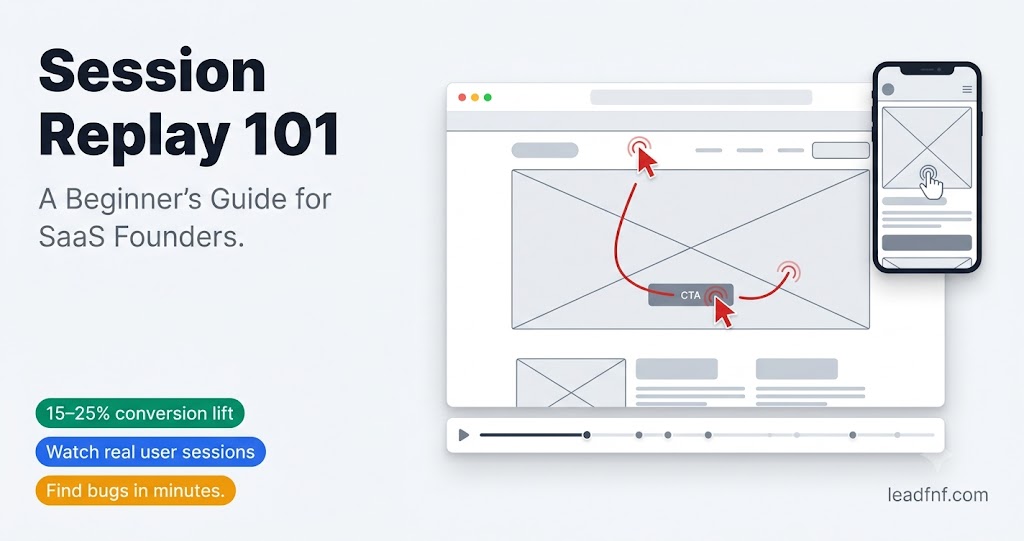
Your analytics tell you that 68% of users leave your pricing page without clicking anything. That number is accurate — and completely useless on its own. Session replay shows you what those users actually did: where they moved their cursor, what they tried to click, how far they scrolled, and the exact moment they decided to leave. This guide covers how session replay works, what it reveals that analytics can't, and how to use it to fix conversion problems in your first 30 minutes.
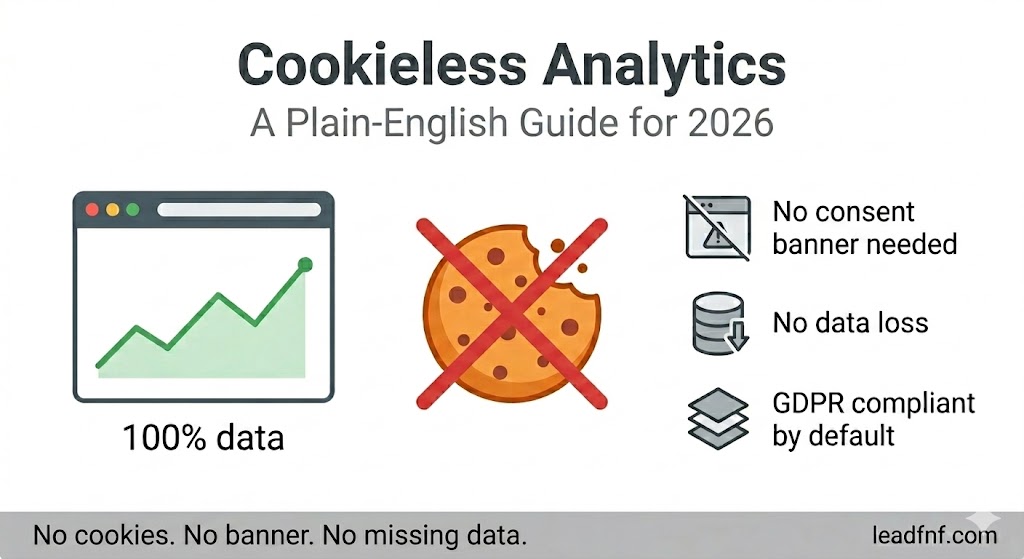
Cookieless analytics tracks your visitors without storing cookies on their devices — no consent banner, no data loss, no GDPR headaches. But the story got complicated in 2025: Google reversed its cookie deprecation, retired the Privacy Sandbox, and left the industry without a clear standard. This guide explains what actually happened, how cookieless analytics works, what you gain and lose, and which approach is right for your site in 2026.
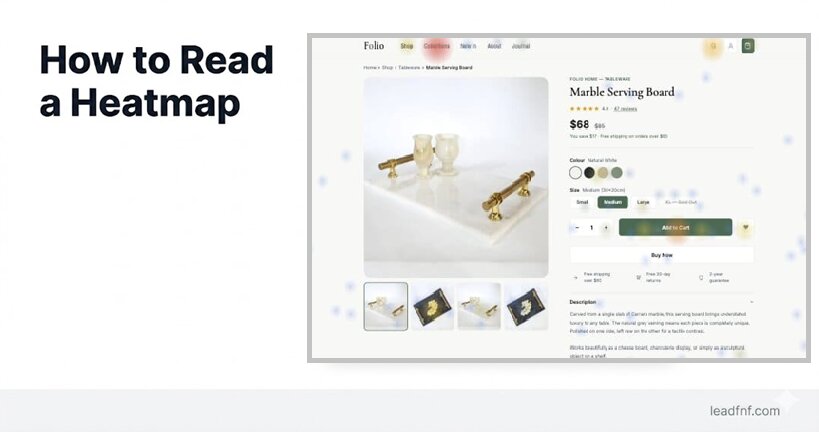
heatmap looks complicated the first time you open one — blobs of red and blue sitting on top of your webpage with no obvious meaning. This guide fixes that in 10 minutes. You'll learn what each colour means, the four heatmap types and what each one tells you, the five patterns that matter most for conversion, and a practical workflow you can run today. No design experience required.
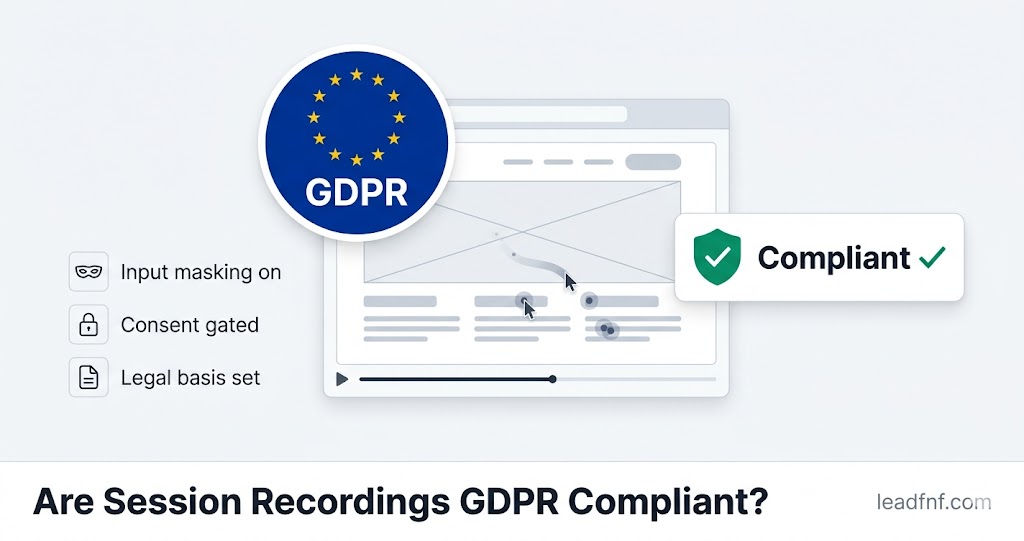
Session recordings are not automatically GDPR compliant — but they are not illegal either. Whether yours comply comes down to four things: what data you capture, what legal basis you use, whether you have a consent mechanism, and whether sensitive inputs are masked. Here's the honest answer with a practical checklist.
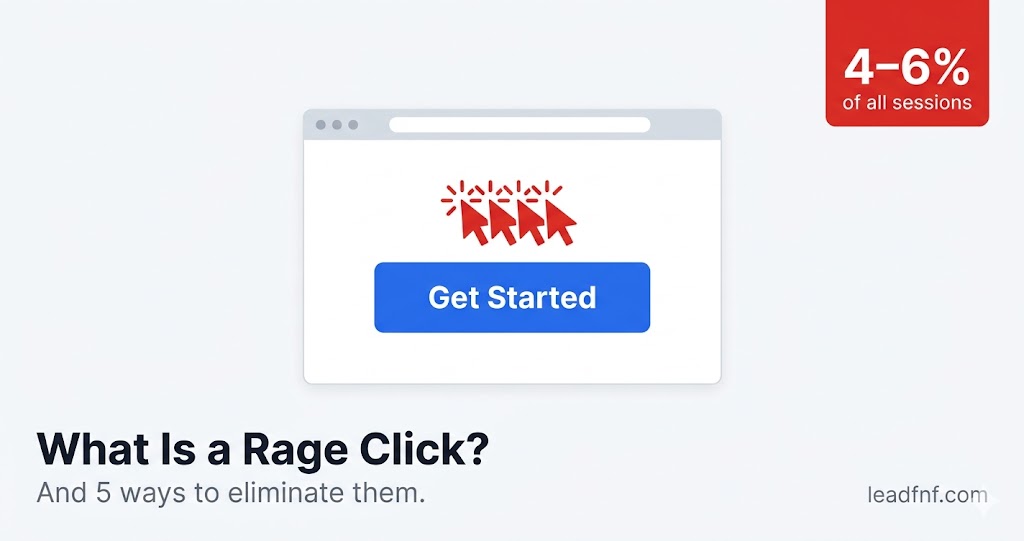
A rage click is when a user hammers the same spot repeatedly out of frustration — because nothing is responding. It shows up in 4–6% of all web sessions and silently kills conversions. Here's what causes rage clicks, how to find them in your session recordings, and 5 concrete fixes you can ship this week.
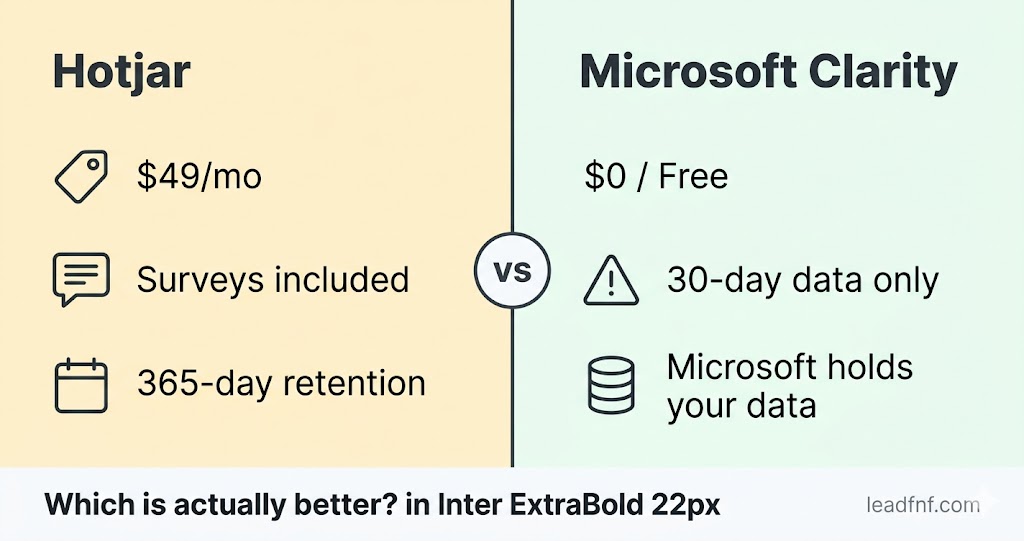
Hotjar costs $49+/month. Microsoft Clarity is free. But free comes with real tradeoffs: 30-day data retention, Microsoft's data terms, no surveys, no funnels. Here's the honest 2026 verdict — and the one question that decides which tool is right for you.
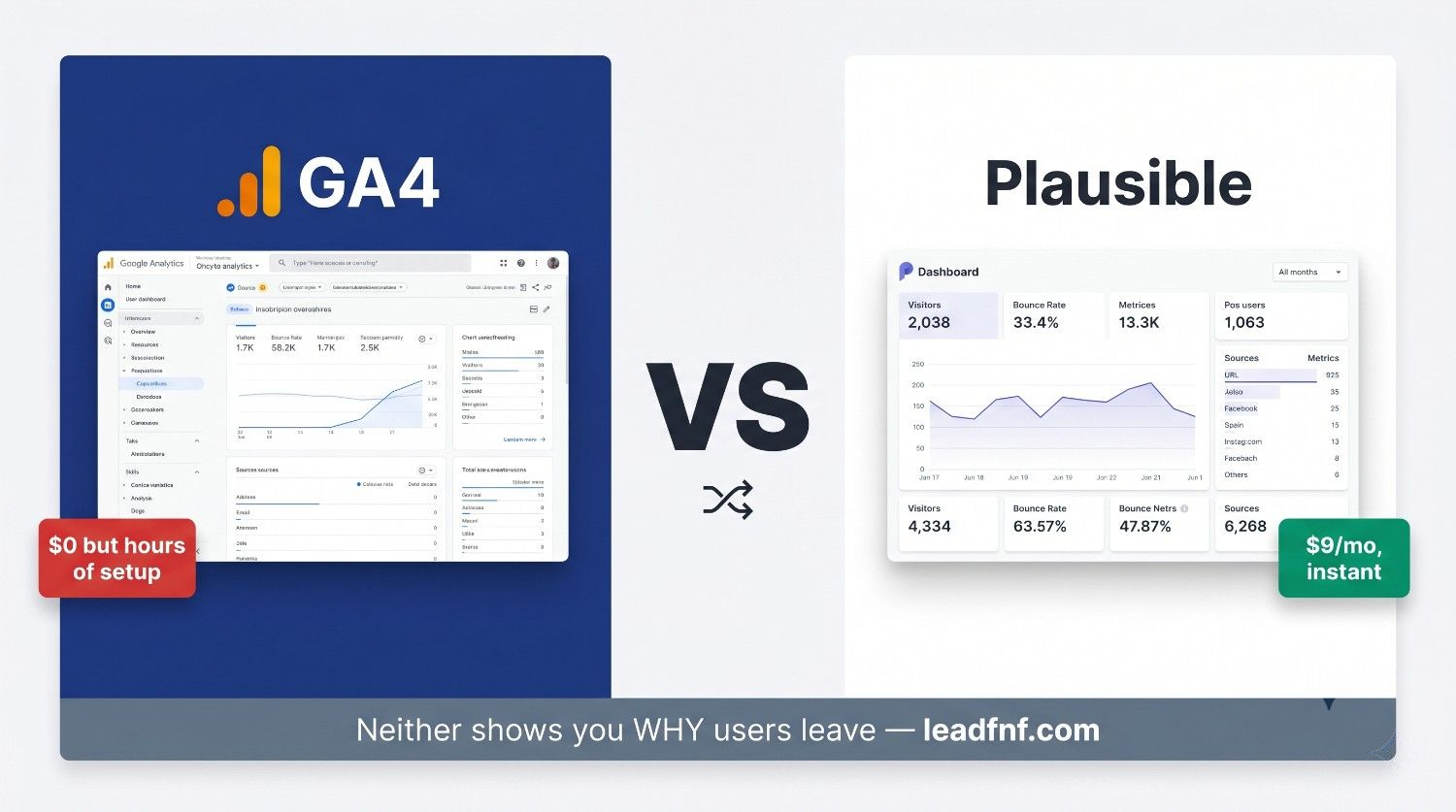
GA4 is free but complex and leaky. Plausible is simple but stops at pageviews. This honest 2026 comparison helps SaaS founders pick the right analytics tool — or find a better one.
14-day free trial. No credit card. Full access to all features.

Start free trial